
Your Bedroom Desk Does Not Have to Ruin Your Sleep
페이지 정보

본문
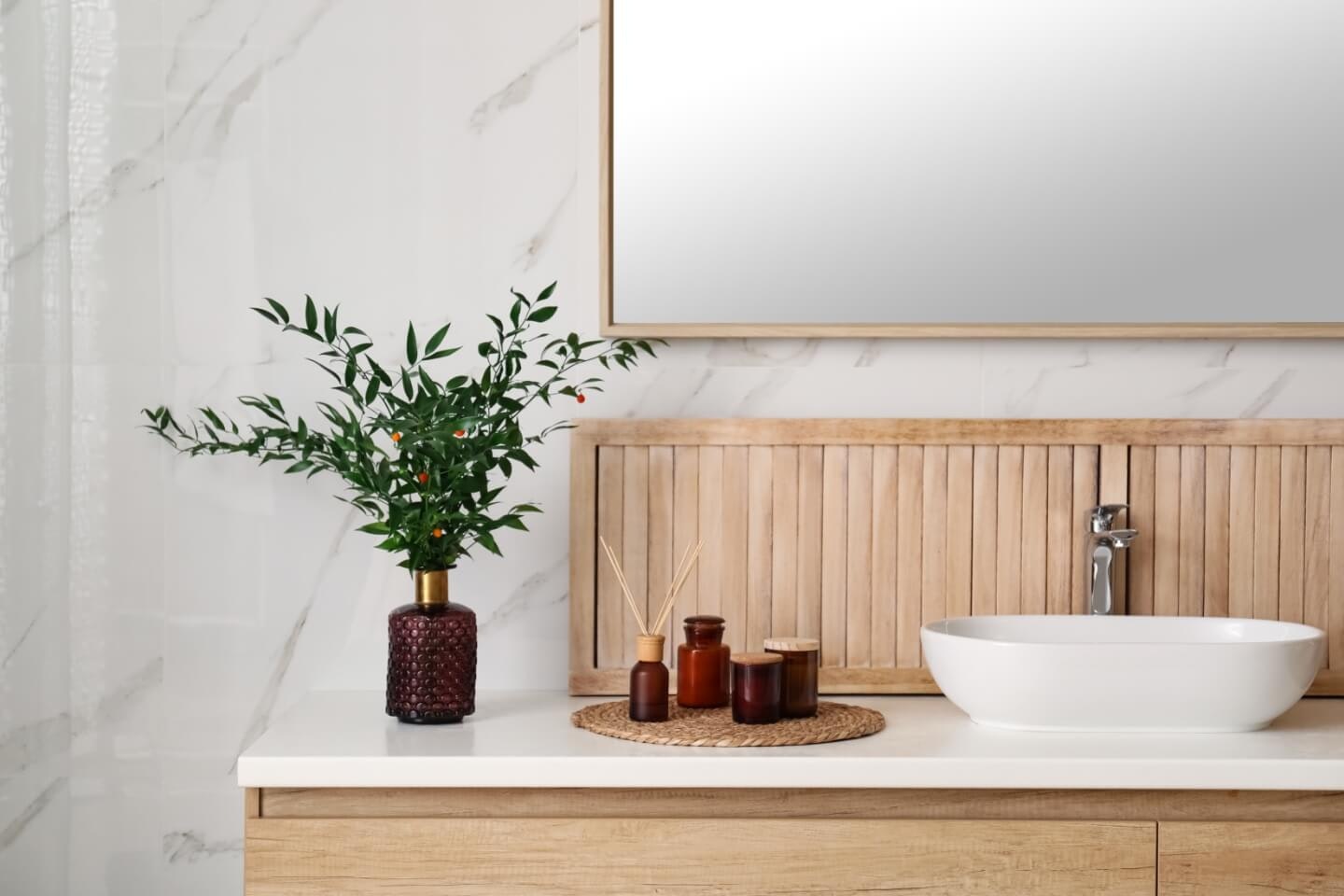
I have a confession. For three years, my desk was an ironing board propped against the wall, and my "office chair" was the edge of my bed with a 16 cm foam mattress on a slatted frame. It was a disaster for my back, but it taught me something crucial about squeezing a work area in the bedroom without losing your mind. When you live in a one-bedroom apartment or share a flat, the bedroom doubles as a study. The trick is to carve out a zone that feels intentional, not like a temporary camp. You need a proper desk, yes, but you also need to draw a psychological line between spreadsheets and sleep. The moment your laptop creeps into your pillow territory, you start associating your sanctuary with deadlines. So let us talk about how to build a real work area in the bedroom that does not haunt your dreams.
Start by choosing your furniture with split personalities. A small desk tucked against a wall is obvious, but the real game-changer is the bed itself. If you are short on floor space, a bed with storage underneath is a life raft. Those deep drawers can swallow printer paper, cable organizers, and that stack of notebooks you swear you will use. But here is the detail most people miss: the bed frame height must match your desk height. If your desk is 75 cm tall and your mattress sits too low, your elbows will scream by noon. Measure everything before you buy. I once spent a weekend assembling a bed with storage, only to realize my chair could not slide under the desk because the frame jutted out. Measure the clearance, not just the dimensions. That single step saves hours of frustration and keeps your work area in the bedroom from feeling like a contortionist act.
Now, about that chair. You cannot use a dining chair and pretend it is ergonomic. I tried. My lower back sent a formal complaint after week two. If you lack space for a proper office chair, consider a compact task chair with a low profile. But for truly tight corners, approach the seating from a dual-use angle. A small pull-out sofa against the opposite wall can serve as overflow seating for video calls and then convert into a guest bed. The key is to choose one with a click-clack mechanism, not a heavy manual pull. The click-clack mechanism lets you switch from sofa to lounge in seconds without wrestling with a mattress that slides off. Pair that with a desk that folds flat against the wall, and you have a room that does one thing well during the day and another at night. I have seen friends host guests in bedrooms that double as offices, and the secret is always the same: the sleeping surface disappears into a social surface.
You may be wondering about the aesthetic penalty. Does a work area in the bedroom always look like a cubicle with a duvet? Not if you choose your materials with care. A desk in a warm wood tone or a clean white laminate can blend into the room decor if you avoid the black metal frame look. And the seating? Go for something upholstered. A sofa bed with velvet upholstery feels luxurious and softens the visual noise of cables and monitors. Velvet is forgiving with fingerprints and spills, unlike linen, and it differently, making a small room feel richer. I own a navy velvet pull-out sofa that sits across from my desk. During the day, it is my reading nook. At night, it folds out for a flatmate who stays late. The texture makes the room feel cohesive, not chaotic. When you are designing a work area in the bedroom, every material choice pulls double duty.
Lighting is where most people drop the ball. You probably have an overhead fixture that casts shadows right where you need to read. Get a task lamp with a swing arm that clamps to the edge of your desk. But here is the twist: use warm bulbs for the rest of the room, and a cool daylight bulb for your desk lamp only. That color contrast trains your brain to switch modes. When the cool light is off, your brain knows work is done. I also recommend a small rug under the desk. Not a giant wall-to-wall affair, but a low-pile runner that defines the work zone. It catches the crumbs from your midnight snacks and creates a visual border. This is cheap psychology. You step off the rug, you are off the clock. The rug, combined with a smart desk lamp, can transform a cramped corner into a dedicated work area in the bedroom that actually feels separate from your bed.
But what about overnight guests? The pull-out sofa is your ace, but you need to hide the bedding somewhere. This is where the bed with storage shines again. Use the drawers for guest sheets and spare pillows, not your winter sweaters. Keep a folded duvet and a set of pillowcases in there. When your cousin crashes on the sofa bed, you can transform the room in under two minutes. I keep a small caddy under my desk with toiletries and a spare towel. That way, I am not digging through my closet at midnight. The goal is to design a system where the work area in the bedroom does not fight the guest room. They coexist because each piece of furniture has a job and a backup job. The velvet upholstery on the sofa bed also hides dust better than a cotton slipcover, so you are not vacuuming every time someone visits.
Now, the elephant in the room: screen time before sleep. Humans are not wired to stare at blue light two feet from their pillow. If your desk is within arm s reach of the mattress, you need a physical barrier. A folding room divider, even a simple three-panel one in bamboo or painted MDF, can block the desk from view when you sleep. I used a bookshelf on casters for a year. A low IKEA Kallax turned sideways creates a shelf wall that holds plants and books, and it blocks the desk visually without blocking all light. You do not need a full wall. You just need a visual cue that the work zone is over there, and the rest zone is here. Your brain will thank you. I have tested this with my own setup. With a divider, I fall asleep faster. Without it, I find myself checking emails at 11 PM. The separation is cheap and reversible.
Finally, do not forget the cables. A visible rat s nest of cords will ruin any room. Use adhesive cable clips along the underside of your desk, and run a power strip with a long cord behind the bed or under the sofa. I mounted a small cable management box under my desk to hide the surge protector. It cost twelve euros and saved my sanity. When you have a pull-out sofa and a desk in the same room, guests will see every wire if you are not careful. A box and a few clips make the space feel like a grown-up lives there. And here is a small trick: choose a desk with a cutout or a grommet hole for cables. If your desk is solid, drill one yourself. It is a five-minute job that prevents cables from dangling over the edge and tangling with your chair wheels. A clean cable setup is the final secret to a work area in the bedroom that looks curated, not cobbled together. Start with one change this weekend. Your back, your sleep, and your next video call will all improve.
- 이전글Poduszki dekoracyjne – mały detal, który zmienia wszystko w salonie 26.06.19
- 다음글Aranżacja sypialni 26.06.19
댓글목록
등록된 댓글이 없습니다.